
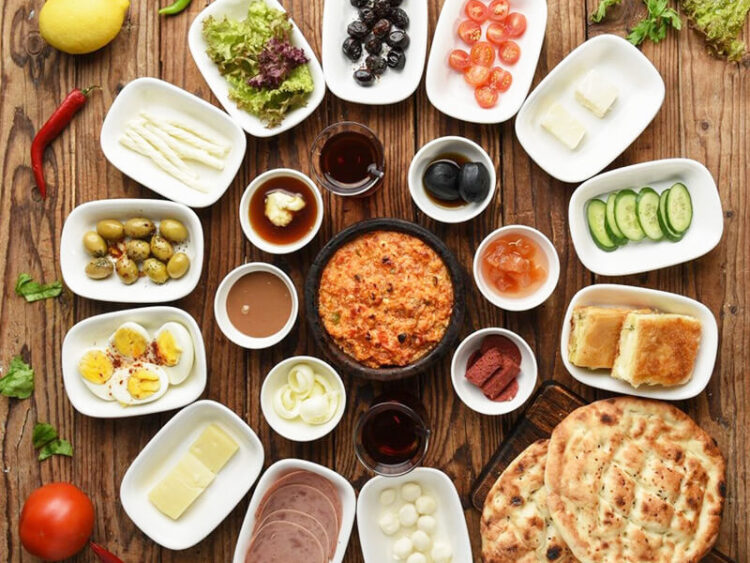
Breakfast is the first meal of the day. It is the most important meal because it provides energy and nutrients to start your day. You can eat breakfast on your own any time during the morning hours! In this article, we will have a glance at different types of Persian breakfasts.
Persian breakfast is one of the most delicious breakfasts, which certainly has a very high nutritional value and strengthens the immune system. It is usually served with bread and labneh, a fresh white cheese. Typical breakfast foods include eggs, yogurt, feta cheese, olives, tomatoes, cucumbers, jam, or honey (for toast), and various types of bread such as Persian bread (Naan) or lavash.
Are you familiar with the Persian breakfast menu, or do you know the different types of Persian breakfasts? In this article, we want to introduce you to the best and most nutritious Iranian breakfasts. Stay with Cooking County.

Persian Breakfast Ideas Ingredients
Before we have a look at different Persian breakfasts, let’s review some Persian breakfast ideas Ingredients:
- fresh or dried fruits such as apples and apricots;
- yogurt;
- omelet with herbs, spices and vegetables;
- breads like lavash, barbari and sangak;
- cheese like feta or labneh.
Hot Persian Breakfast Menu
Persian breakfast has a lot of variety. You can choose a delicious breakfast from the Iranian breakfast menu every day to encourage all your family members to eat breakfast. Here we want to introduce you to a variety of hot Iranian breakfasts. A hot breakfast is a breakfast that needs to be cooked, But fast and instant cooking.
1. Adasi
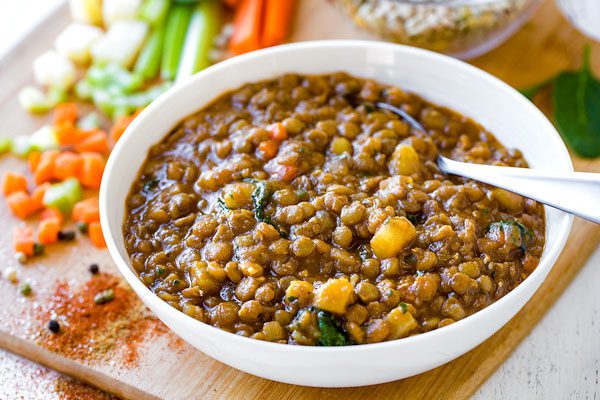
One of the most nutritious and delicious Iranian breakfasts is Adasi. To cook this Iranian breakfast quickly, you can cook some lentils from the night before and prepare lentils in less than half an hour in the morning. In general, beans have many properties for the body, and if these foods are eaten for breakfast, they will bring more benefits to the body.
You can serve this breakfast with angelica, juice, etc. Lentils are rich in carbohydrates, proteins, and vitamins. Therefore, they are very effective in providing daily energy. Lentils have many healing properties, including the treatment of iron deficiency or anemia, lowering blood pressure, treating heart disease, etc.
2. Omelet
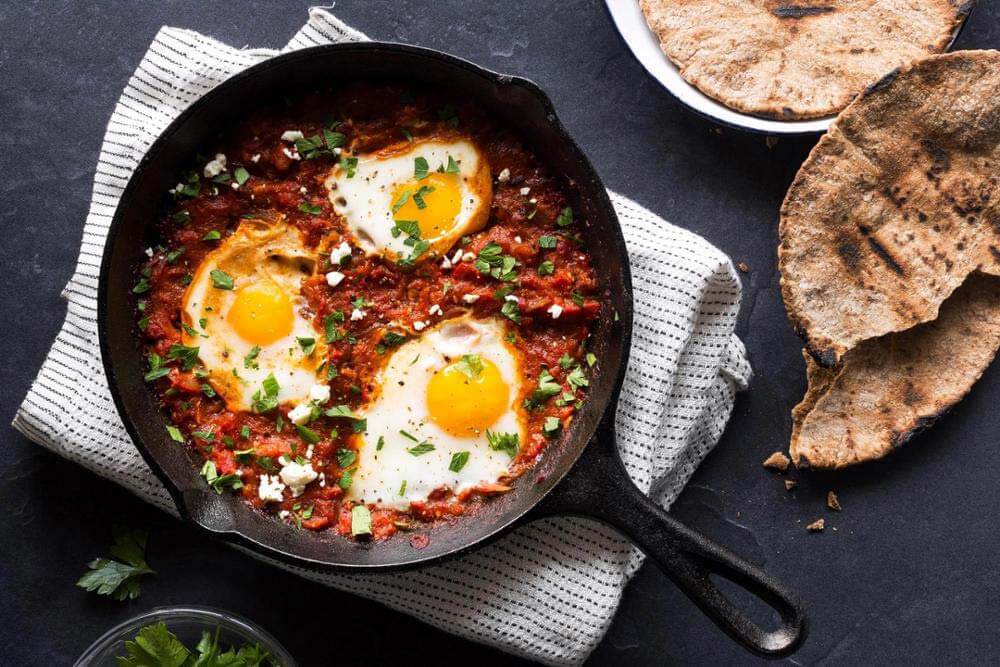
Another popular Iranian hot breakfast is an omelet. You can make an omelet in different ways; For example, combine eggs with various vegetables and tomatoes to make a delicious omelet. Or make a delicious omelet with tomato paste. How you make the omelet depends on your taste. If served with fresh vegetables and lemons, this Iranian breakfast will give your body tremendous energy.
3. Vanilla Pancakes

Another delicious Iranian breakfast is vanilla pancakes. If you have made pancakes before, you know how to make them very quickly and easily. You can make pancakes with different flavors and eat them for breakfast. Of course, pancakes are more common in foreign countries and are among the best breakfasts in the world.
4. Haleem
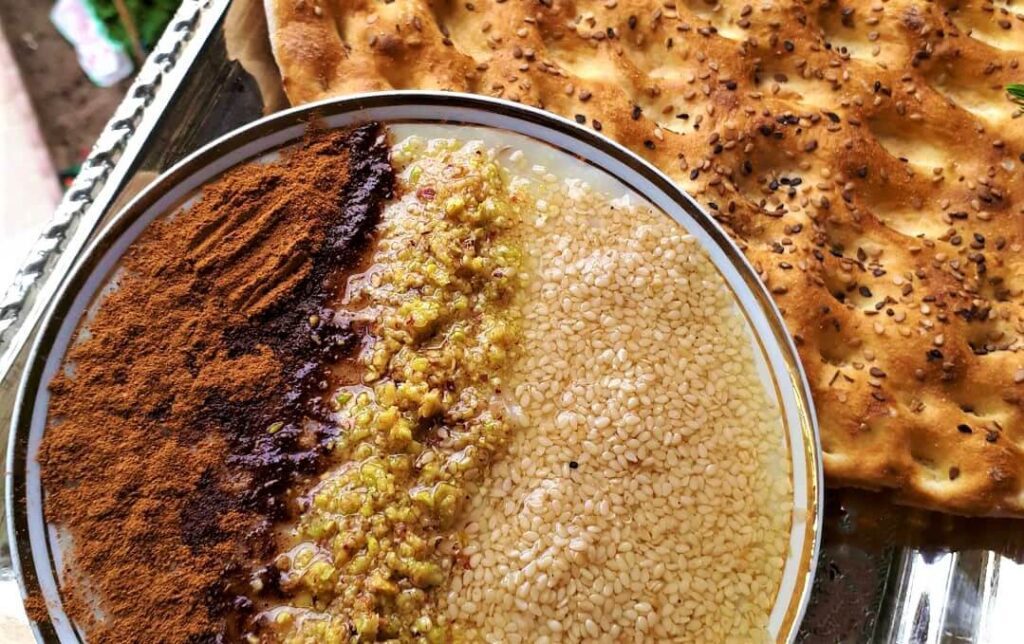
Haleem is the most delicious and nutritious Iranian breakfast that is very popular among Iranian people. Many people serve haleem with sugar and cinnamon, and others like it with salt. This delicious and nutritious breakfast can eliminate the feeling of hunger in your body for hours. Check out Haleem recipe and cook it at home for your loved ones!
5. Kale Pache

Another hot Iranian breakfast is kale pache, a delicious and nutritious breakfast (Which is much better if eaten at breakfast.) You can eat kale pache at breakfast to get your body’s energy throughout the day.
6. Spinach omelet

Another Iranian breakfast, which is very simple and highly nutritious, is a spinach omelet. With the simplest ingredients available, you can prepare this delicious and hot breakfast for your family and multiply the pleasure of eating breakfast.
Here is the recipe for how to make a Spinach omelet:
Ingredients of spinach omelet
- 2 eggs
- 3 grams chopped spinach
- 1/2 cup mazorella
- 1/4 teaspoon onion powder or fried onions
- 1/4 teaspoon nutmeg
- Salt and pepper as needed
- Oil as needed
Directions to make spinach omelet
First, put the egg, spinach, and mazorella in a bowl, and mix all the ingredients. Add onion powder, nutmeg, salt, and pepper to the ingredients. Prepare a pan, pour some liquid oil, and heat it well. After a few minutes, pour the omelet into it and cook on medium heat for four minutes. Then turn it over and let it fry for two or three minutes. Turn down the heat and cook the omelet for a few more minutes and serve with other vegetables
7. Boiled Egg

Another popular and simple hot Iranian breakfast is boiled egg. You can cook the egg at the end and season it with salt, mint, black seed, etc.
8. Rice Milk
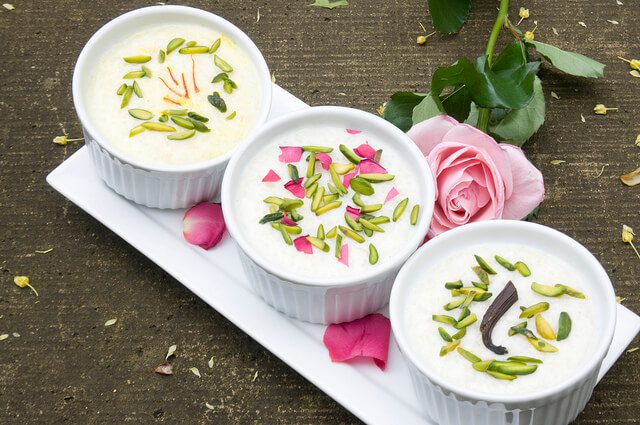
Rice milk in our country is mainly served as a dessert, but it can be served as a delicious breakfast. You can taste rice milk with cinnamon, rose, or sliced almonds and pistachios. This hot breakfast is more suitable for cold winter days.
9. Boiled potato

One of the most famous Iranian breakfasts is boiled potatoes, in which a few peeled potatoes are cooked with salt and butter and eaten with hot Sangak and fresh vegetables. Some people also add boiled eggs to this combination.
10. Porridge

Another Iranian breakfast that takes less time to cook is porridge, made from rice flour and milk. Some people mix it with grape milk or date juice to make it stronger.
11. Fried Egg Toast

A simply made breakfast that does not take you more than a few minutes to prepare is egg bread; it has a high nutritional value. The recipe is simple; you put the egg yolks on baguette bread, put them on a pan, and cook.
Now, you are somehow familiar with the hot Persian breakfast menu. You may be eager to make these breakfasts on weekdays and enjoy a warm breakfast with your family. It is better to introduce you to the condiments you can taste with a hot Iranian breakfast.
What should we eat with a hot Iranian breakfast?
Vegetables
The good thing about a hot Iranian breakfast is that you can have a variety of vegetables with it. You can use broccoli, vegetables, bell peppers, tomatoes, lettuce, carrots, onions, potatoes, etc. Depending on your taste and interest, you can taste each food group with your breakfast.
Drinks
Many people like to have hot drinks at breakfast. For example, you can drink a cup of tea after serving an omelet. Even drinking a glass of water after breakfast can be a good option.
Persian Cold Breakfast Menu
As we mentioned before, breakfast is a very important meal. After introducing the most varied Cold Persian breakfast menu, you will be encouraged to go to bed and prepare one of the types of Persian breakfast for yourself and your family the next day. Here are some delicious and nutritious Cold Persian breakfasts that don’t need to be cooked.
1. Bread, Cheese, and Walnuts
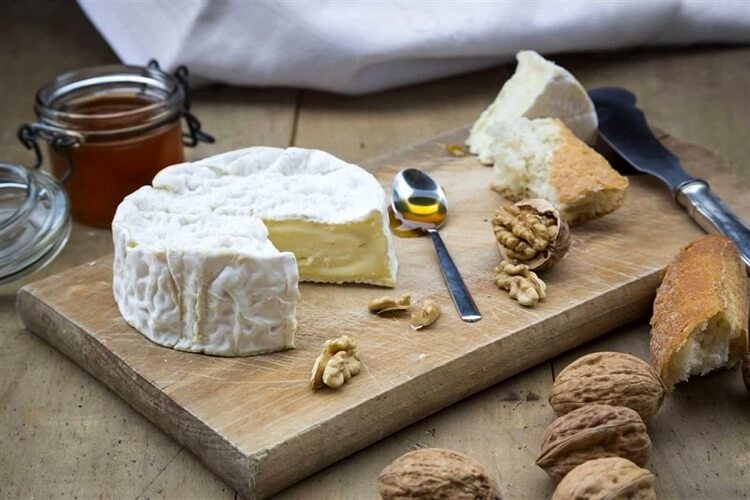
Iranians like to eat bread, cheese, and walnuts, one of the most common breakfasts. This is a cold breakfast, but most people enjoy it with a cup of sweet tea. Bread, butter, cheese, and vegetables are also recommended for breakfast. When it comes to bread and cheese, you can have a lot of variety. For example, bread, cheese, cucumber, and tomato are tasty breakfasts. You can also use roasted sesame seeds instead of walnuts for breakfast. With bread and cheese, you can taste a variety of nuts, or along with it, you can also eat vegetables, cucumbers, and tomatoes.
How to serve bread, cheese, and walnuts?
Ingredients
- Bread (any type you want)
- Cheese as needed
- Walnut as needed
Directions
Put some cheese on your bread along with walnut, and enjoy it with a cup of tea.
If you want, you can use tomato and cucumber instead of walnut.
2. Butter and Jam
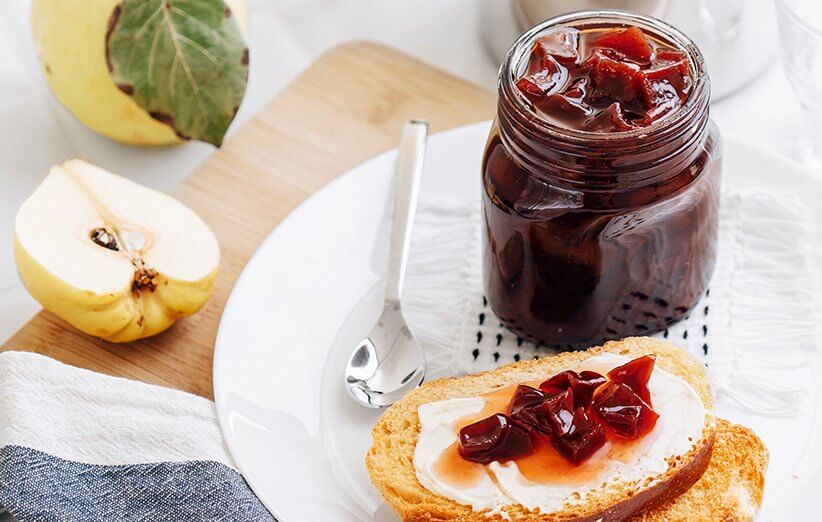
Another everyday Persian breakfast is butter and jam. As you know, the jam has a lot of variety, and you can choose one of them such as Persian quince jam or strawberry jam depending on your taste. You can also taste different types of molasses or syrup and butter, such as grape molasses, berry molasses, date syrup, etc.
3. Butter and honey
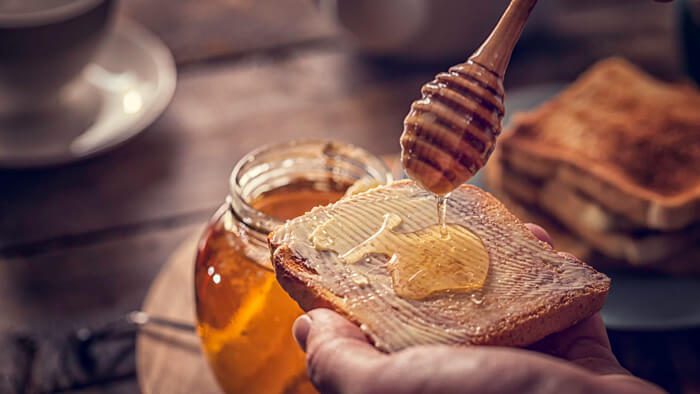
This breakfast can give you energy at the beginning of the day. The combination of butter, honey, and sesame is highly excellent. You can enjoy this nutritious Iranian breakfast with your family. Also, enjoy the unique properties of honey and sesame for the body.
4. Date Syrup and Tahini
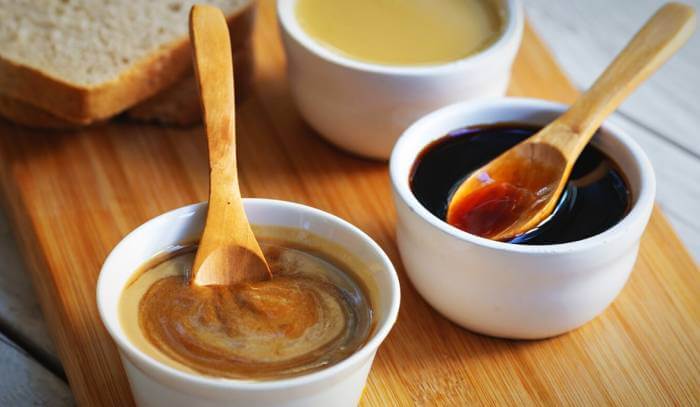
Another delicious and nutritious Iranian breakfast is date syrup with Tahini (Ardeh,) which is very healthy and has many properties for the body. You can also serve sesame tahini halva (halva Ardeh) with bread which has tahini’s nutritions.
5. Honey and Cream

Another of the best and most nutritious types of Iranian breakfast is honey and cream. This breakfast is more suitable for those who do not like the taste of butter. In addition to honey, you can mix the cream with cocoa cream and enjoy its unique taste. This Iranian breakfast is trendy for teenagers and children, and it is usually served with bread.
What should we eat with a cold Iranian breakfast?
So far, we have provided you with a delicious, nutritious cold Persian breakfast menu. Now you may be wondering what drinks you can have with these breakfasts? Stay with Cooking County to tell you about the drinks and supplements that can be served with a cold Persian breakfast.
Milk

Milk is one of the best and most nutritious drinks you can have with a variety of Persian breakfasts. People tend their milk to be hot, lukewarm, or cold, depending on their taste, like milk. You can even mix milk with spices like cinnamon and have it for breakfast. Also, combining milk with various fruits such as strawberries, cantaloupe, bananas, etc., is very delicious.
Tea

Drinking tea with Iranian breakfast is very enjoyable and can refresh your throat. You can have Persian tea with various cold Iranian breakfasts, especially bread and cheese. You can also use candy, sugar, dried berries, etc., to sweeten the tea.
Natural Juices

Another drink that you can have with your breakfast is natural juice. Depending on the season and the season’s fruits, you can enjoy a variety of juices at the breakfast table.
Read more: Persian Drinks; Top 11 Delicious Iranian Drinks You should Try
FAQs
- What are typical Persian breakfasts?
Usually, some cold breakfasts like (bread, cheese, and walnuts) and hot breakfasts like omelets, pancakes, and Haleem are more common.
- Is Kale Pache Considered breakfast?
It is not necessary to have kale pache as breakfast. It is better to have it in the morning as breakfast because it is high in cholesterol.
- Which Persian breakfast recipe is the simplest?
The Recipe for cold Persian breakfasts is the simplest
Related posts:
 Persian Drinks; Top 11 Delicious Iranian Drinks You should Try
 The 6 Best Persian Pickles (Torshi); Get to Know Different Iranian Pickles
 10 Popular Persian Sweets And Desserts To Try Before You Die
 Tahdig Recipe; 4 Recipes to Make Delicious Persian Tahdig
 Isfahan Food; 15 Must-Try Isfahan Foods
 How to make Zereshk polo ba morgh
 Abgoosht (Persian lamb and chickpea stew) recipe
 Lubia polo recipe (Persian green bean rice)

I wanna know about veg foods from iran.
I’m glad you’re interested in vegetarian Iranian dishes! I’ll be publishing a blog soon that will include a variety of vegetarian recipes. In the meantime, you might enjoy trying Kashke Bademjan, a delicious eggplant dish, or other vegetarian recipes available on our site. Keep an eye out for the upcoming blog for more tasty and authentic Iranian vegetarian options!