
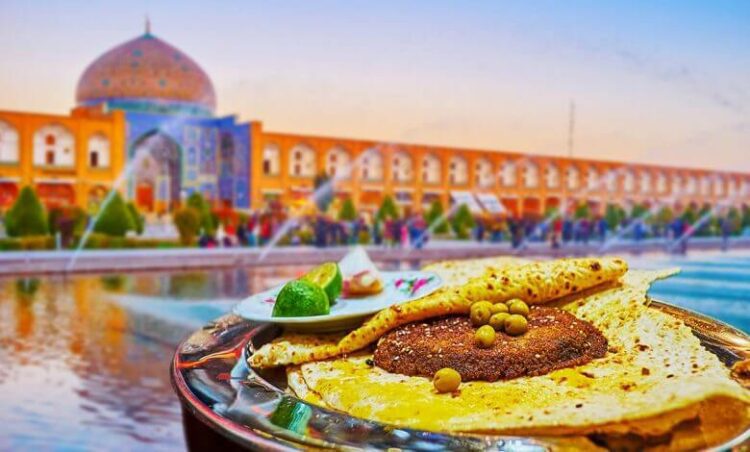
If you’re looking for a delicious and exotic culinary experience, look no further than the city of Isfahan in Iran. From mouth-watering kebabs to delectable desserts, there’s something for everyone to enjoy. And with a rich history dating back centuries, Isfahan is also a culturally fascinating place to visit. So what are you waiting for? If you are interested in Isfahan foods, do not miss this article.
1. Persian Biryani
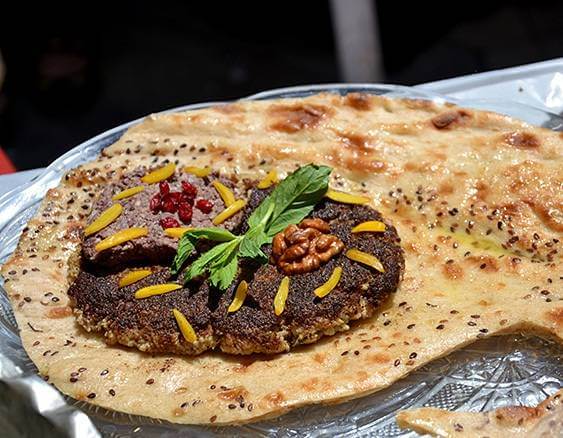
Undoubtedly, the most famous dish in Isfahan is Briyan. This dish looks like a hamburger and is prepared from a combination of sheep neck meat, white sheep liver, Isfahani spices, onion, salt, cinnamon, pepper and turmeric.
In Isfahan, there are special pans with specific sizes for cooking Biryani, but they can also be made in regular pans. To decorate the Biryani, they put cinnamon, walnuts, almond slices, sesame, etc., and eat it with stone bread and fresh vegetables. Of course, the broth is usually served along with this dish, in which you have to break bread and drink it.
2. Kaleh Joosh
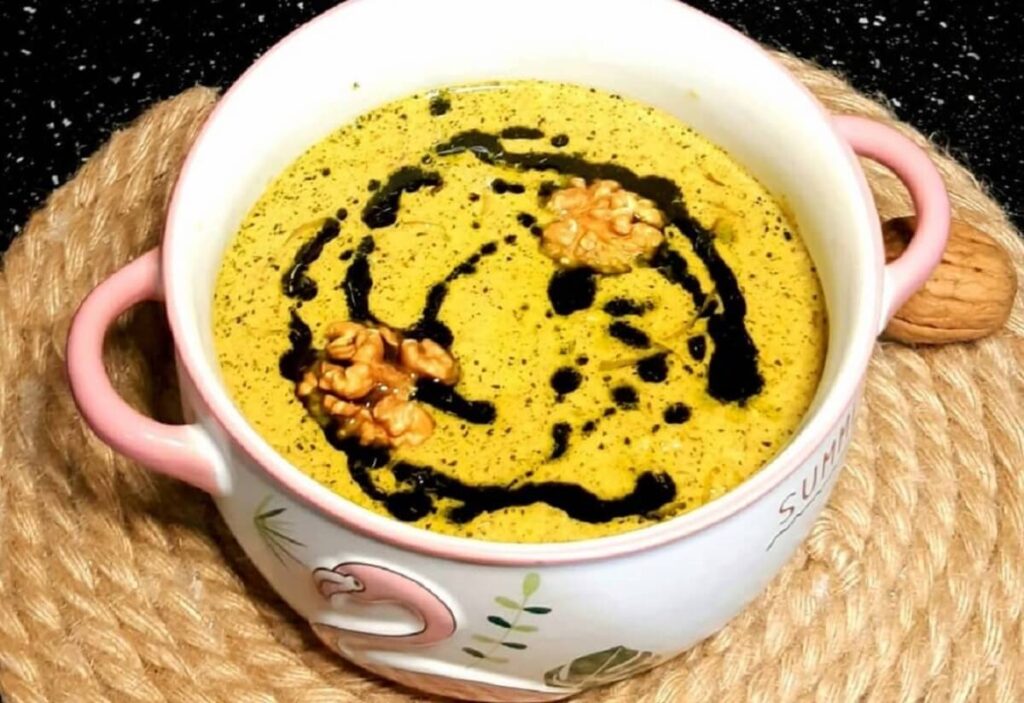
Kaleh Joosh is a simple and easy food that can be found on the table of all Iranians, but its origins belong to the people of Qashqai and the surrounding areas of Isfahan. Ingredients such as curd, dry mint, onion, walnut, oil, salt and pepper and other spices are used for cooking the boiled cabbage. This food is usually served with fresh crusty bread.
3. Halim Bademjan
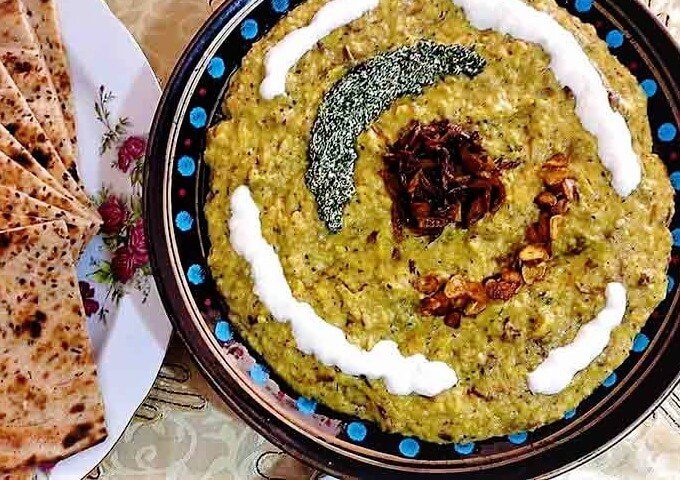
This dish is cooked all over Iran, like Kaleh Joosh, but it is good to know that its history goes back to the beautiful city of Isfahan, one of Isfahan’s traditional dishes. Ingredients such as rice, white beans, meat, eggplant, onions and hot mint, curd, salt and pepper are used to prepare Halim Bademjan. If you want the eggplant to be tender, it is better to use neck meat.
4. Gheymeh Rizeh (Chickpea Stuffing)

Another delicious food of Isfahan city is Gheymeh Rizeh. In addition to meat and chickpea flour, they use hot onion, dry mint and all kinds of spices to prepare the mincemeat, and after frying the mincemeat, they throw it into the paste and hot onion liquid to cook it. Mincemeat can be served with bread or rice.
5. Goosht Lubia (Bean & Meat)
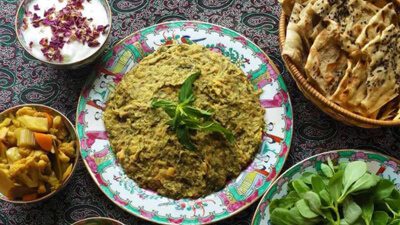
This delicious dish, also called Ghoshdalobya in the local dialect, looks very similar to Haleem. Meat (preferably ribs), vegetables such as leeks, parsley and fenugreek, white beans, rice, onions and various spices are used to prepare bean ice cream. If you want to make an authentic Isfahani version of it, it is better to put the vegetables in the food properly! Bean ice cream is usually served with pickles, vegetables and fresh bread.
6. Nokhod Ab (Pea water)

To prepare pea water, onions are fried, and the peas soaked the night before are added to it along with water, salt, pepper and turmeric. Finally, when the chickpeas are fully cooked, some flour is dissolved in a glass of water and added to the previous mixture. This dish is usually served with water or vinegar, and for this reason, it is also called pea water.
7. Ash-e Somagh
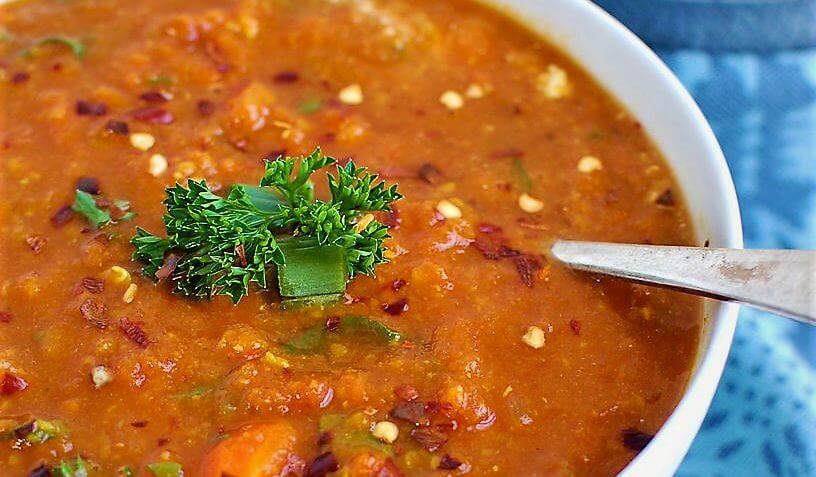
One of the delicious and different soups of Isfahan is Ash-e Somagh. This soup can be prepared with both flour and half-grain rice. To cook this Ash, first cook rice and add vegetables. In the next step, mix minced meat, onions and spices. Make small meatballs and add them to the soup. Now, soak the sumac in a separate container and pass it through a sieve, then add the sumac juice to the soup and let it cook.
8. Mash va Ghomri
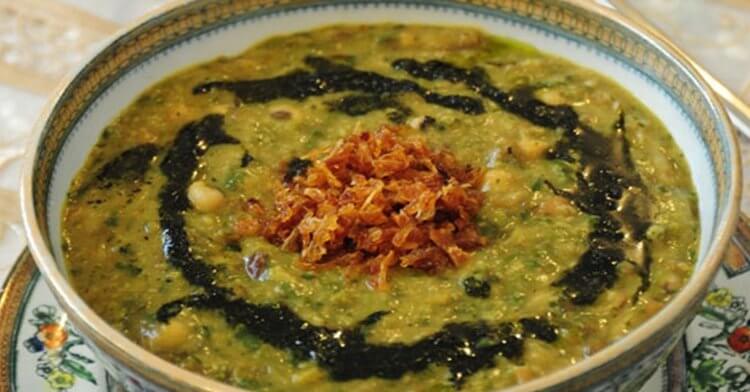
Mash va Ghomri is a mild dish that is served with bread. First, mutton and mung beans are cooked separately. After the meat is half cooked, add the grated lunar cabbage and put it on the heat for 10 minutes. In the next step, vegetables (leek, parsley, fenugreek and savory) and rice are added to the previous mixture. Then, Mash va Ghomri is cooked for 20 minutes, and gradually mung beans are added. When the water has almost evaporated, Mash va Ghomri is ready.
9. Dill Bean Meatball
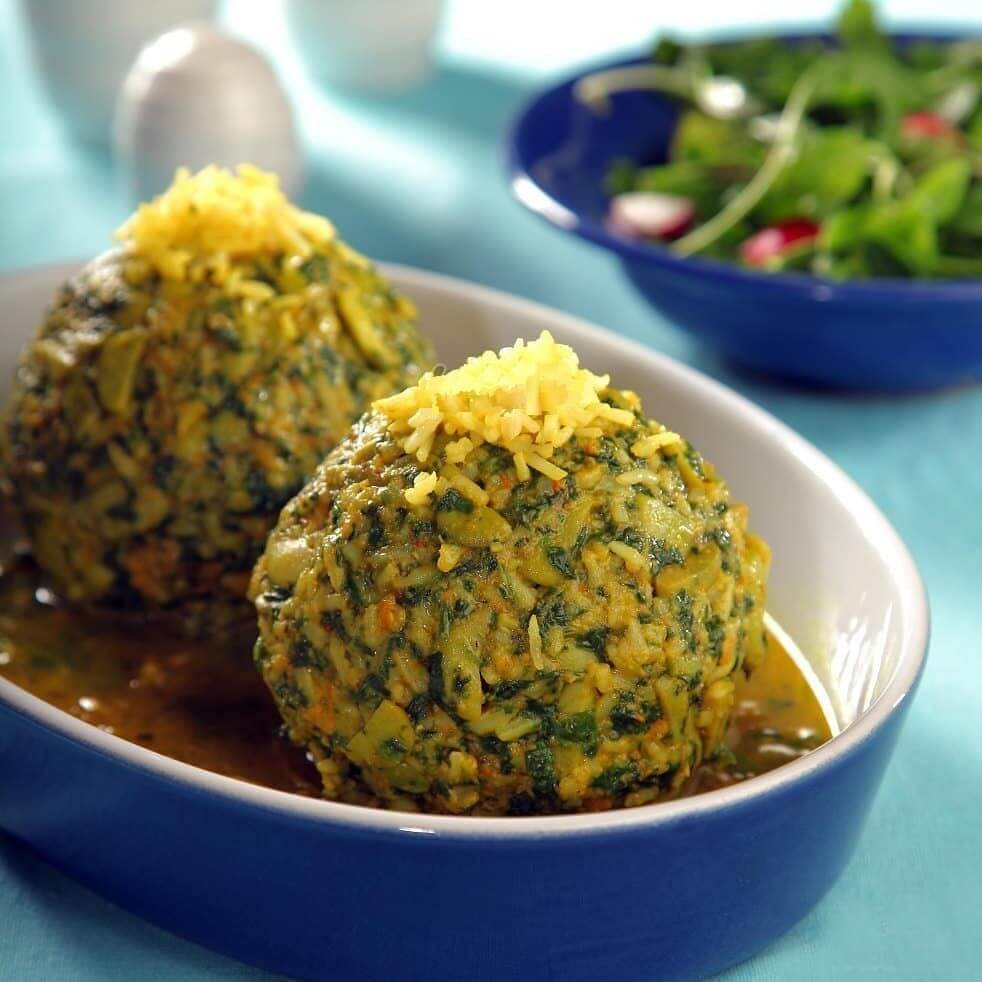
Another traditional dish of Isfahan is dill bean dumplings. This meatball dish is prepared like other meatballs, and the cooking method is not very different.
10. Yakhmeh Torsh
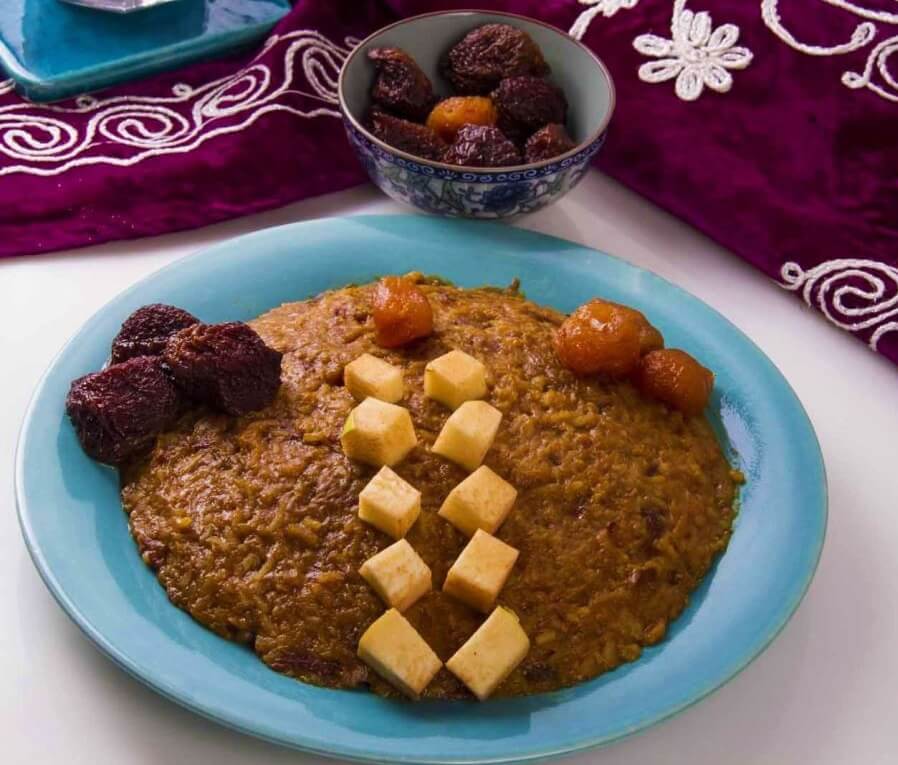
Yakhmeh Torsh Stew is one of those traditional and old foods of Isfahan that is rarely cooked. To cook this dish, lamb meat is first cooked with turmeric and water; when it is half cooked, plums, bees and apricot leaves are added to make them a little soft. Then the rice is added to the rest and left until the water evaporates. Then, the mixture is kneaded, and the core is removed from the plums. After beating the ingredients, sugar is added and heated again until the sugar melts. You can reduce or increase the sweetness of the food according to your taste.
11.Tas Kebab
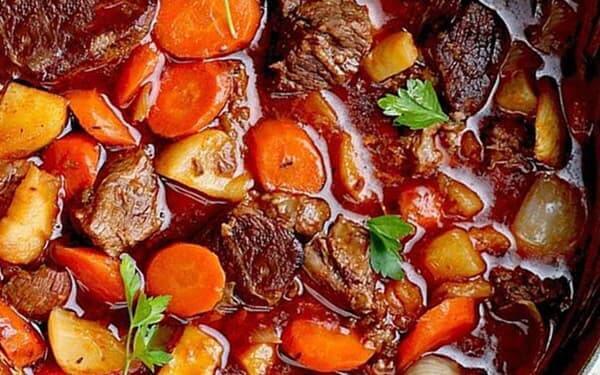
Tas Kebab is another dish cooked in most cities of Iran, but its origin goes back to Isfahani. Meat (preferably lamb ribs), onions, carrots, potatoes, beans, oil, salt and spices are used for cooking Tas Kebab. The ingredients are added to the pot, and water is poured over it until it is cooked thoroughly. Tas Kebab can be served with bread or rice.
12. Zardak Kebab
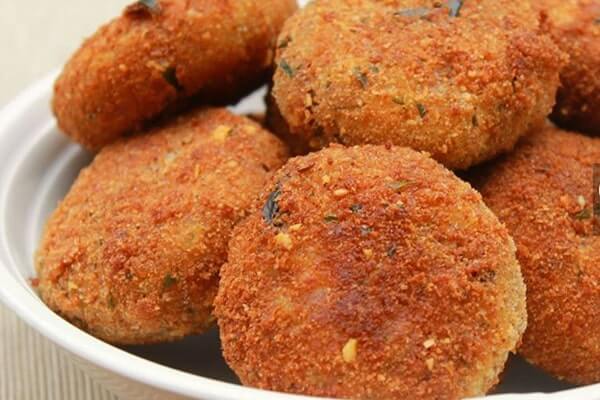
One of the traditional and tasty Isfahani dishes is Zardak Kebab. This food is similar to Cutlet but a little sweeter! To prepare this dish, the ingredients are minced meat, onion, Zardak (the Zardak is Iranian carrot harvested in winter) or grated raw carrot, chickpea flour and spices. After kneading all the ingredients well, fry it in oil. Then add the mixture of vinegar and juice to the kebabs. You can use sugar, water and bloomed saffron instead of vinegar.
13. Sholeh Beryan Zireh
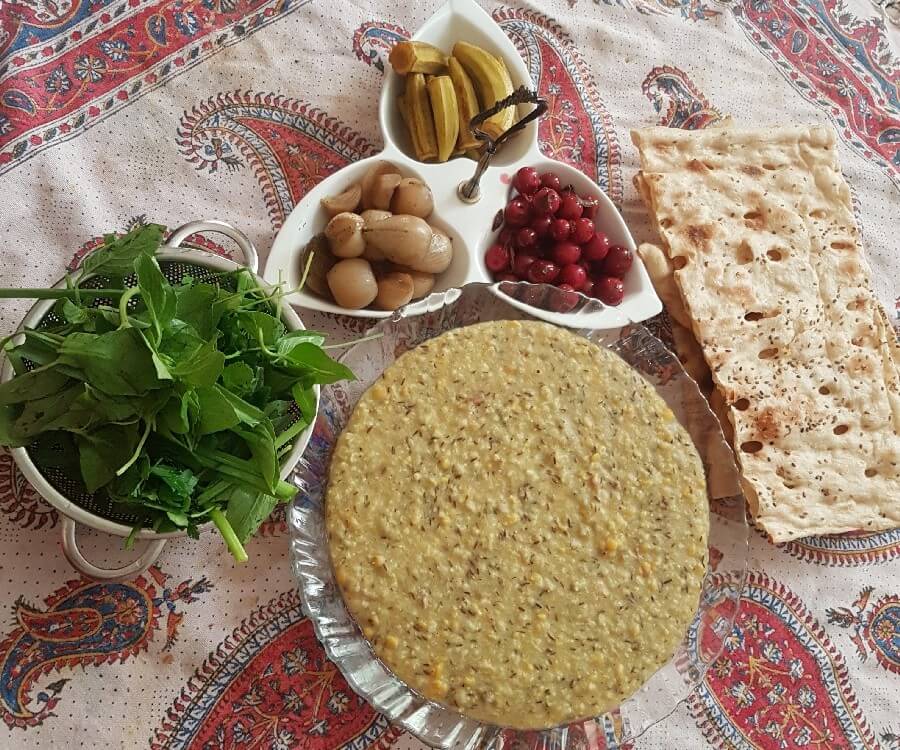
To cook Sholeh Beryan Zireh, cook mutton (preferably ribs) with onions and spices, and after the meat is half-cooked, add half-grain rice. After the rice is cooked, mix it with ground cumin and black seeds and place it on the heat again. Finally, after all the ingredients are cooked, beat them entirely until it becomes smooth. This dish is served with fresh bread.
14. Beh Polo (Quince Rice)
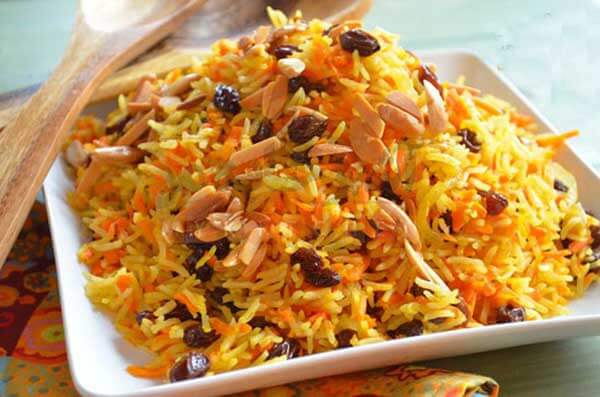
To prepare this delicious pilaf, peel the quince and fry it. Then, cook meat (or chicken) with plums and saffron in a separate dish and set aside. Finally, the ingredients are layered between drained rice and brewed.
15. Halim Shir
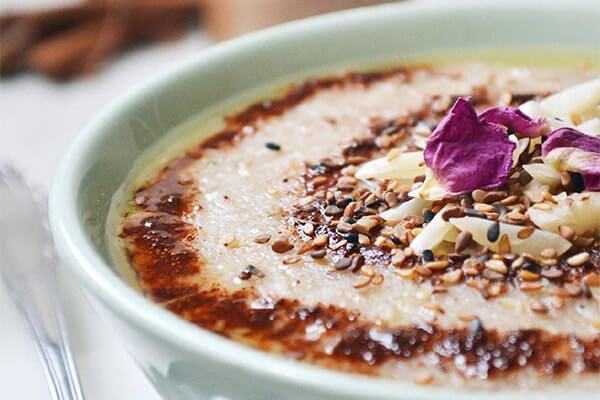
Halim is cooked in all the cities of Iran and has a special place on the breakfast table. But Isfahan has a special Halim called Halim Shir. To make this Halim, cook wheat, water, salt, and special spices. When the wheat is well cooked, add milk and cook it until it reaches your desired concentration.
Other Isfahan Foods
Among the other dishes cooked in this city, we can mention chicken and plum stew, khoresh mast, and Eshkeneh.
FAQs about Isfahan Food
- What is the famous dish of Isfahan?
Biryani is one of the most famous dishes in Isfahan. It is made with sheep neck meat, white sheep liver, Isfahan’s spices, onion, salt, cinnamon, pepper and turmeric.
Related posts:
 Persian Drinks; Top 11 Delicious Iranian Drinks You should Try
 The 16 Best Persian Breakfasts; How to Make Them at Home?
 The 6 Best Persian Pickles (Torshi); Get to Know Different Iranian Pickles
 10 Popular Persian Sweets And Desserts To Try Before You Die
 Tahdig Recipe; 4 Recipes to Make Delicious Persian Tahdig
 How to make Zereshk polo ba morgh
 Abgoosht (Persian lamb and chickpea stew) recipe
 Lubia polo recipe (Persian green bean rice)
