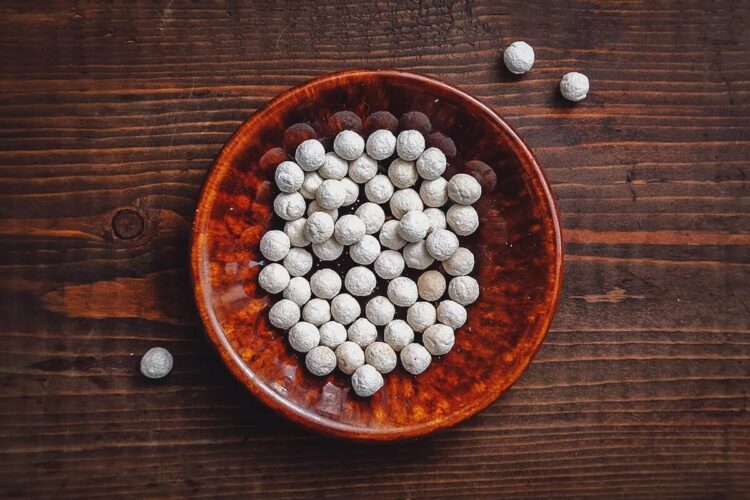
Kazakh kurt dried yogurt balls

Kazakh Kurt Recipe (Dried Yogurt Balls)

Kazakh kurt (qurt) is a salted dried dairy food traditionally made from strained fermented milk. This home adaptation starts with pasteurized plain yogurt, cooks and drains it under controlled conditions, then dries small balls in a food dehydrator. The result is tangy, salty, and firm.

Kazakh kurt recipe guide

Recipe at a glance

Makes about 20 small balls · Active cooking 40 minutes · Draining and controlled drying up to 26 hours · Total up to 26 hours 40 minutes. Heat pasteurized yogurt until curds separate, drain it in the refrigerator, salt and shape it, then use a dehydrator rather than uncontrolled open-air drying.

Ingredients

  • 2 kg (4.4 lb) plain full-fat yogurt made from pasteurized milk, with no added sugar or flavoring
  • 10 g (about 1 3/4 tsp) fine non-iodized salt, or to taste

Instructions

  1. Wash your hands and sanitize the pot, spoon, cloth, colander, tray, and dehydrator racks. Keep the yogurt refrigerated until use.
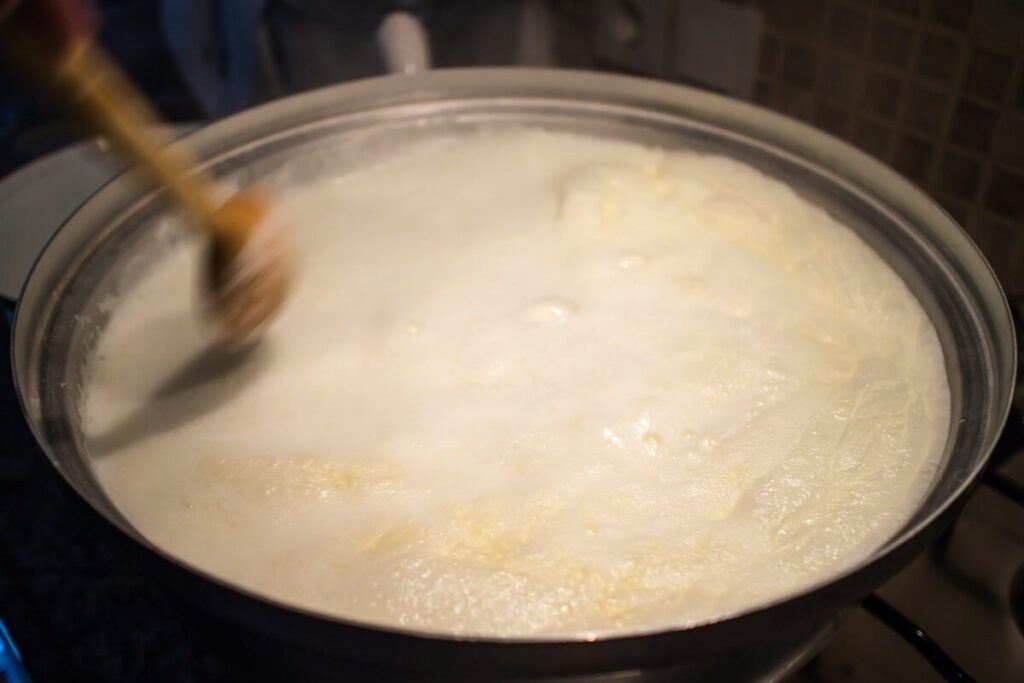
  2. Put the yogurt in a heavy nonreactive pot. Heat over medium-low heat, stirring frequently, until it separates into fine curds and yellow-green whey and reaches a gentle simmer, about 30 to 40 minutes. Do not scorch it.
  3. Cool for no more than 1 hour at room temperature. Line a colander with clean butter muslin or several layers of cheesecloth, set it over a bowl, and pour in the mixture.
  4. Cover and drain in the refrigerator for 1 to 2 hours, until the curd is firm enough to shape. Squeeze gently; discard the whey or reserve it for another cooked use.
  5. Transfer the curd to a clean bowl, add the salt, and mix just until evenly distributed. Divide into 20 portions and roll into compact balls about 3 cm / 1 1/4 inches wide.
  6. Arrange the balls on clean dehydrator racks with space between them. Dry at 55°C / 131°F for 18 to 24 hours, rotating racks as needed, until the balls are firm and dry throughout. Larger pieces take longer.
  7. Cool completely, then refrigerate in a clean airtight container. This home method has not been laboratory-tested for room-temperature shelf stability; do not store it unrefrigerated based only on firmness or appearance.
Heating cultured milk for Kazakh kurt
Draining curds for Kazakh kurt

What is kurt?

Kurt is part of a wider Central Asian family of dried fermented dairy foods. Kazakhstan’s official cultural material describes ayran or katyk being strained into suzbe, cooked, shaped, and dried. Traditional forms, salt levels, milk sources, and textures vary by household and region.

Why this recipe starts with pasteurized yogurt

Allowing ordinary milk to sour spontaneously does not provide the temperature, acidity, or culture control expected in a safe home recipe. Commercial plain yogurt supplies an already cultured base, while pasteurized milk reduces risks associated with raw dairy. Clean equipment and refrigeration still matter.

Can I dry kurt outdoors?

Traditional sun and wind drying reflects a specific climate and accumulated local practice. A general web recipe cannot validate outdoor temperature, humidity, insects, dust, or final water activity in every home. For that reason, this version uses a dehydrator and still instructs refrigerated storage.

How to eat kurt

  • Nibble small pieces with tea; traditional kurt can be intensely salty and hard.
  • Grate a little over soups or savory dishes.
  • Soften a ball in hot water or broth and use the tangy liquid in cooking.
  • Serve smaller portions if you are monitoring sodium intake.

Storage and spoilage

Cool the dried balls before packing to prevent condensation. Refrigerate them in a clean airtight container. Discard kurt that develops unexpected colored mold, a rotten odor, sliminess, or moisture accumulation. Commercial and traditionally verified products may be shelf-stable, but that claim cannot be transferred automatically to a home batch.

Frequently asked questions

Can I make kurt without a dehydrator?

You can eat the salted, shaped curd fresh and refrigerated, but it will not have the hard dried texture. An oven may run too hot or cycle too widely; use it only if it can reliably maintain a low drying temperature.

Can I use low-fat yogurt?

Yes, but the finished kurt may be drier and less rounded in flavor. Choose yogurt without starches, gums, sugar, or flavorings when possible.

Why is my kurt cracking?

The curd may be too dry before shaping or the balls may be too large. Mix in a spoonful of reserved whey, reshape smaller balls, and dry them gradually.

Kazakh kurt recipe card

Kazakh Kurt (Dried Yogurt Balls)

Recipe by Shayan
5.0 from 1 vote
Course: SnackCuisine: KazakhDifficulty: Medium
Servings

20

Small kurt balls
Prep time

26

hours 
Cooking time

40

minutes
Drying time

18-24

hours
Total time

26

hours 

40

minutes

Tangy salted Kazakh-style yogurt balls, cooked, refrigerated-drained, and dried under controlled conditions in a dehydrator.

Ingredients

  • 2 kg (4.4 lb) plain full-fat yogurt made from pasteurized milk, with no added sugar or flavoring

  • 10 g (about 1 3/4 tsp) fine non-iodized salt, or to taste

Directions

  • Wash your hands and sanitize the pot, spoon, cloth, colander, tray, and dehydrator racks. Keep the yogurt refrigerated until use.
  • Put the yogurt in a heavy nonreactive pot. Heat over medium-low heat, stirring frequently, until it separates into fine curds and yellow-green whey and reaches a gentle simmer, about 30 to 40 minutes. Do not scorch it.
  • Cool for no more than 1 hour at room temperature. Line a colander with clean butter muslin or several layers of cheesecloth, set it over a bowl, and pour in the mixture.
  • Cover and drain in the refrigerator for 1 to 2 hours, until the curd is firm enough to shape. Squeeze gently; discard the whey or reserve it for another cooked use.
  • Transfer the curd to a clean bowl, add the salt, and mix just until evenly distributed. Divide into 20 portions and roll into compact balls about 3 cm / 1 1/4 inches wide.
  • Arrange the balls on clean dehydrator racks with space between them. Dry at 55°C / 131°F for 18 to 24 hours, rotating racks as needed, until the balls are firm and dry throughout. Larger pieces take longer.
  • Cool completely, then refrigerate in a clean airtight container. This home method has not been laboratory-tested for room-temperature shelf stability; do not store it unrefrigerated based only on firmness or appearance.

Notes

  • Passive draining and drying time is included in prep time so the structured data reflects the full process.

Sources

5/5 - (2 votes)

Leave a Comment

Your email address will not be published. Required fields are marked *

*