Quick answer
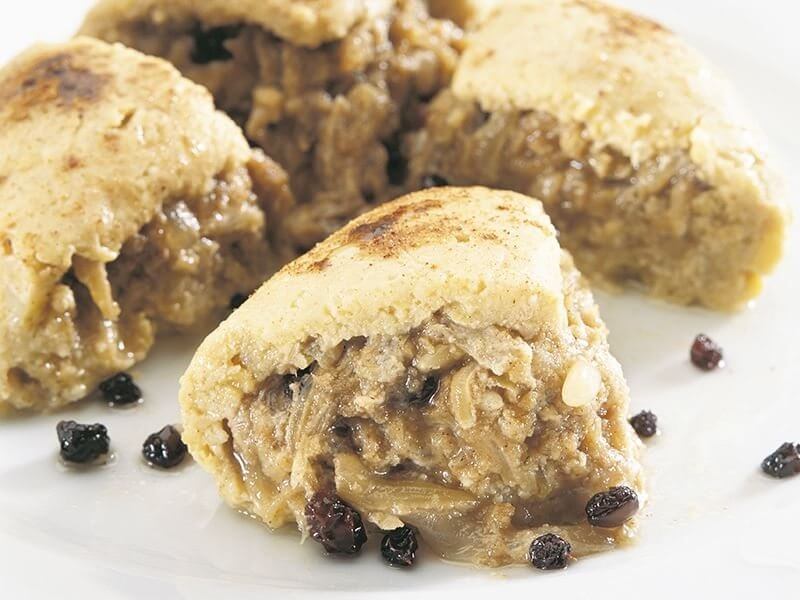
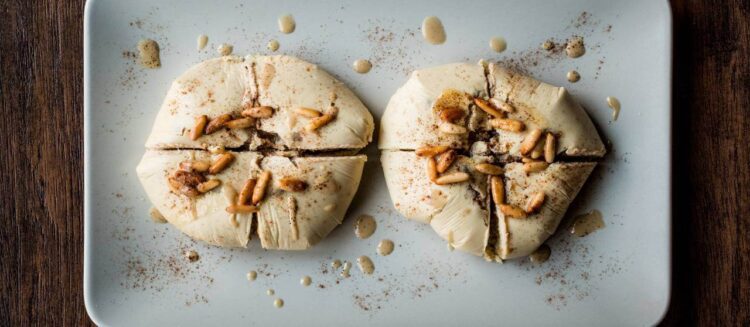
Topik, also spelled topig, is an Armenian appetizer with a chickpea-and-potato shell surrounding a savory onion, tahini, nut, and currant filling. This version makes six substantial dumplings using cooked canned chickpeas, so no overnight soaking is needed. Allow about 2 hours 40 minutes, including cooling and chilling. Mash the potatoes gently, drain the filling thoroughly, and poach the parcels in cheesecloth to protect their shape. The recipe contains sesame and pine nuts.

Topik is a soft filled mezze, often associated with Armenian meatless Lenten cooking. Its chickpea shell is quite different from a wheat-flour dumpling: it needs gentle handling and becomes easier to slice after chilling. This recipe belongs alongside the bread, vegetable dishes, and appetizers in our Armenian food guide.
Ingredients
Measure chickpeas after draining, and weigh potatoes before cooking. The recipe starts with already-cooked chickpeas; dried chickpeas need separate soaking and cooking and are not a direct one-for-one replacement.
- 2 cups (340 g) cooked chickpeas, drained, rinsed, and loose skins removed; about 1½ standard 15-oz cans
- 10½ oz (300 g) floury potatoes, peeled and cut into 1-inch chunks
- ¼ cup (60 g) well-stirred tahini, divided
- 2 medium onions (300 g), finely sliced
- 1 tablespoon (15 ml) olive oil, plus a little for serving
- ¼ cup (30 g) pine nuts
- ¼ cup (30 g) dried currants, or finely chopped raisins
- ½ teaspoon ground cumin
- ¼ teaspoon ground cinnamon, plus a pinch for serving
- ¼ teaspoon ground black pepper
- ¾ teaspoon fine salt, divided, plus salt for the potato water
- 2 tablespoons water for the onions, plus up to 2 teaspoons if needed for shaping
- 1 lemon, cut into wedges, for serving
How to make topik
Use six large squares of clean, food-safe cheesecloth and six lengths of kitchen twine. Cooking the potatoes and onions at the same time keeps the cooking stage to about 35 minutes, including poaching.
- Cover the potato chunks with cold water in a saucepan, add a little salt, and bring to a simmer. Cook for 15–20 minutes, until a knife passes through easily. Drain well, let excess steam escape, and mash by hand or pass through a ricer.
- Meanwhile, heat the olive oil in a skillet over medium-low heat. Add the onions, ¼ teaspoon salt, and 2 tablespoons water. Cover for 10 minutes, then uncover and cook for another 10–15 minutes until soft and the pan is no longer wet. Reduce the heat if they begin to scorch.
- Stir the pine nuts, currants, cumin, cinnamon, and pepper into the onions for the final 2 minutes. Remove from the heat and stir in 2 tablespoons tahini. Spread the filling on a plate to cool while you prepare the shell.
- Process the drained chickpeas into a fine paste. Fold together with the mashed potato, remaining 2 tablespoons tahini, and remaining ½ teaspoon salt. Avoid processing the potato with sharp blades. The mixture should form a soft ball without leaving liquid in the bowl.
- Divide the shell mixture and filling into six equal portions. Flatten each shell portion into a thick disc on a damp piece of cheesecloth. Place its filling in the middle, lift the edges, and pinch the shell closed. Smooth cracks with damp fingers; use only a teaspoon or two of water if the mixture is crumbly.
- Gather each cloth around its dumpling and tie securely with twine, leaving a little room for expansion. Lower the parcels into a wide pot of gently simmering water. Poach for 10 minutes without a vigorous rolling boil.
- Lift the parcels onto a rack over a tray. Drain and cool for 30 minutes, then refrigerate, covered, for at least 60 minutes. The cooling and chilling time totals 90 minutes; longer refrigeration is fine.
- Untie carefully and transfer the topik to serving plates. Drizzle with a little olive oil, dust lightly with cinnamon if desired, and offer lemon wedges. Serve chilled or take out briefly before eating for a softer texture.

Canned chickpeas and the potato shell
Canned chickpeas save a separate cooking stage, but drain them thoroughly. Rub off loose skins after rinsing for a smoother shell. A few remaining skins are acceptable; large pieces of skin will make the surface less silky. If the chickpeas feel firm or chalky, simmer until easily crushed, then drain and cool before measuring.
Choose a floury potato such as russet. Once it is tender, let steam escape so excess water does not enter the shell. A masher or ricer gives more control than a food processor. The shell should feel like a soft, moldable paste, not a pourable hummus. Small differences in the moisture of potatoes and chickpeas can change the final texture.
Keeping the filling inside
The onion filling needs to be soft but dry enough to mound on a spoon. Water trapped in it makes sealing difficult and may split the shell. Let it cool before filling; this also makes the tahini mixture less runny. Chop oversized raisins so they do not push through the surface.
Try one parcel before shaping the rest. If the shell cracks, close the gap with a small patch of the mixture and smooth with damp fingertips. If it sticks heavily to your hands, chill the shell mixture for 15–20 minutes and reassess instead of adding flour. Any extra chilling extends the total time.
Why the cheesecloth matters
The cloth supports the dumplings as they soften in the water and provides a safe way to lift them out. Use food-safe, undyed cheesecloth and kitchen twine. A thin kitchen towel can be too dense and heavy for small parcels; plastic wrap should not be used for this simmering method.
Keep the water at a gentle simmer. The aim is to warm and hydrate the formed parcels while holding them together. All the main ingredients are already cooked, so aggressive boiling only makes the delicate shell harder to manage. Letting the parcels cool before unwrapping is as important as shaping them neatly.
Serving an Armenian mezze
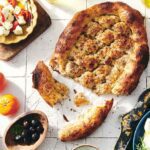
Topik can be the soft, nutty element of a mezze plate with tomatoes, cucumbers, olives, and fresh herbs. For bread on the side, our matnakash recipe makes a substantial loaf for sharing. Lemon is useful at the table because it lets each person balance the richness of tahini.
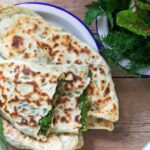
For another plant-filled dish, serve smaller portions alongside zhingyalov hats herb flatbread. Topik itself contains no meat or dairy in this version, but it does contain sesame and pine nuts. Do not describe it as suitable for someone with an allergy without checking every ingredient and preparation surface.
Make ahead and storage
Topik is convenient to prepare a day ahead because it needs time to firm up. Once the initial 30-minute cooling period is over, move the parcels to the refrigerator rather than leaving them on the counter. Store covered at 40°F (4°C) or colder and use within three days for quality.
Keep refrigerated until shortly before serving. Return leftovers to the refrigerator within two hours, or within one hour in temperatures above 90°F (32°C). Freezing may make the potato shell wetter after thawing, so refrigeration is the more predictable choice for a planned mezze meal.
Video reference
This existing video shows another preparation of the dish. Use the written quantities, timing, and method on this page for this version.
Printable recipe card
The card below contains the complete ingredient list, ordered method, and total time, including the waiting stages.
Armenian Topik Recipe (Chickpea and Potato Dumplings)
Course: AppetizerCuisine: ArmenianDifficulty: Moderate6
servings35
minutes35
minutes90
minutes2
hours40
minutesArmenian chickpea and potato dumplings with an onion, tahini, pine nut and currant filling, gently poached in cheesecloth and served chilled.
Ingredients
2 cups (340 g) cooked chickpeas, drained, rinsed, and loose skins removed; about 1½ standard 15-oz cans
10½ oz (300 g) floury potatoes, peeled and cut into 1-inch chunks
¼ cup (60 g) well-stirred tahini, divided
2 medium onions (300 g), finely sliced
1 tablespoon (15 ml) olive oil, plus a little for serving
¼ cup (30 g) pine nuts
¼ cup (30 g) dried currants, or finely chopped raisins
½ teaspoon ground cumin
¼ teaspoon ground cinnamon, plus a pinch for serving
¼ teaspoon ground black pepper
¾ teaspoon fine salt, divided, plus salt for the potato water
2 tablespoons water for the onions, plus up to 2 teaspoons if needed for shaping
1 lemon, cut into wedges, for serving
Directions
- Cover the potato chunks with cold water in a saucepan, add a little salt, and bring to a simmer. Cook for 15–20 minutes, until a knife passes through easily. Drain well, let excess steam escape, and mash by hand or pass through a ricer.
- Meanwhile, heat the olive oil in a skillet over medium-low heat. Add the onions, ¼ teaspoon salt, and 2 tablespoons water. Cover for 10 minutes, then uncover and cook for another 10–15 minutes until soft and the pan is no longer wet. Reduce the heat if they begin to scorch.
- Stir the pine nuts, currants, cumin, cinnamon, and pepper into the onions for the final 2 minutes. Remove from the heat and stir in 2 tablespoons tahini. Spread the filling on a plate to cool while you prepare the shell.
- Process the drained chickpeas into a fine paste. Fold together with the mashed potato, remaining 2 tablespoons tahini, and remaining ½ teaspoon salt. Avoid processing the potato with sharp blades. The mixture should form a soft ball without leaving liquid in the bowl.
- Divide the shell mixture and filling into six equal portions. Flatten each shell portion into a thick disc on a damp piece of cheesecloth. Place its filling in the middle, lift the edges, and pinch the shell closed. Smooth cracks with damp fingers; use only a teaspoon or two of water if the mixture is crumbly.
- Gather each cloth around its dumpling and tie securely with twine, leaving a little room for expansion. Lower the parcels into a wide pot of gently simmering water. Poach for 10 minutes without a vigorous rolling boil.
- Lift the parcels onto a rack over a tray. Drain and cool for 30 minutes, then refrigerate, covered, for at least 60 minutes. The cooling and chilling time totals 90 minutes; longer refrigeration is fine.
- Untie carefully and transfer the topik to serving plates. Drizzle with a little olive oil, dust lightly with cinnamon if desired, and offer lemon wedges. Serve chilled or take out briefly before eating for a softer texture.
Sources
Recipe context and preparation were cross-checked against these references. Cooking County’s version and serving suggestions are described above.
- The Armenian Kitchen: topik ingredients and poaching tradition
- Turkish Style Cooking: filled topik and tahini-onion preparation
- FoodSafety.gov: refrigerated food storage
Frequently asked questions
Is topik the same as hummus?
No. Both can contain chickpeas and tahini, but this topik is a filled chickpea-and-potato parcel with a distinct onion center.
Can I leave out the pine nuts?
Yes, omit them if you want a nut-free filling, checking the remaining ingredients for cross-contact. Tahini still contains sesame.